Night driving on mountain roads presents unique challenges that can notably increase the risk of accidents. The combination of limited visibility, sharp turns, and steep gradients requires drivers to be particularly vigilant. Preparation and understanding of these risks are essential for safety. By addressing both vehicle readiness and route familiarity, drivers can enhance their experience. However, the question remains: what specific strategies can be implemented to mitigate these dangers effectively?
Key Takeaways
- Ensure your vehicle is well-maintained and equipped with high-quality headlights and fog lights for optimal visibility.
- Familiarize yourself with the mountain route beforehand to enhance situational awareness and reduce surprises.
- Drive at reduced speeds when approaching curves and steep grades for better control and reaction time.
- Pack essential emergency supplies, including a flashlight and first aid kit, to prepare for unexpected situations.
- Choose driving times with lower traffic to minimize stress and improve overall safety on winding roads.
Understanding the Risks of Night Driving on Mountain Roads
Night driving mountain roads presents unique challenges that can considerably heighten the risk of accidents. Reduced visibility limits a driver’s ability to perceive sharp turns, steep drops, and potential obstacles. The winding nature of these roads, combined with limited lighting, can lead to disorientation, making it difficult to judge distances accurately. Additionally, wildlife activity often increases at night, introducing unexpected hazards. Drivers may also encounter fatigue, which can impair reaction times. Weather conditions, such as fog or rain, can exacerbate these risks, further complicating navigation. Understanding the inherent dangers of night driving on mountain roads is essential for cultivating a safer driving experience, fostering a sense of community among those who navigate these scenic yet treacherous routes.
Pre-Drive Preparations for Night Driving
Preparing for night driving on mountain roads requires careful consideration and planning to mitigate the unique risks associated with these conditions. Drivers should begin by ensuring their vehicle is in prime condition, focusing on tire health, fluid levels, and functioning headlights. Familiarizing oneself with the specific mountain route enhances situational awareness and reduces anxiety. It is advisable to pack essential emergency supplies, such as a flashlight, first aid kit, and warm clothing, to address potential issues. Additionally, scheduling the drive during hours of lower traffic can contribute to a more manageable experience. By proactively addressing these factors, drivers can foster a sense of confidence and security, making night driving on mountain roads safer and less stressful for all involved.
Maximize Your Car’s Features for Nighttime Visibility
Enhancing nighttime visibility is essential for safe guidance on mountain roads. Drivers should maximize their vehicle’s features to improve clarity and awareness. Utilizing high-intensity discharge (HID) or LED headlights can considerably increase illumination, allowing for better sightlines in dimly lit environments. Additionally, fog lights can reduce glare when maneuvering through mist or rain, ensuring a clearer view of the road. Regular maintenance of headlights, including cleaning and adjustment, is vital for peak performance. Furthermore, utilizing adaptive headlights that adjust based on steering input can enhance visibility around curves, a common feature in mountainous areas. By effectively leveraging these features, drivers can enhance their experience and safety during night driving on mountain roads, fostering a sense of belonging within the community of responsible drivers.
Techniques for Navigating Curves and Steep Grades Safely
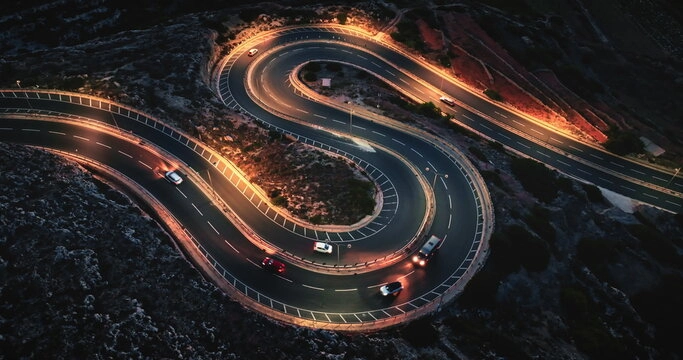
Maneuvering curves and steep grades on mountain roads presents unique challenges, especially during night driving. To enhance safety, drivers should approach curves with reduced speed, allowing for better control and reaction time. Utilizing headlights effectively is essential; drivers should guarantee beams illuminate the road ahead without blinding oncoming vehicles. Maintaining a safe following distance can provide ample time to react to unexpected obstacles. When descending steep grades, employing lower gears helps control speed without relying solely on brakes, preventing overheating. Additionally, familiarizing oneself with the road layout in advance—through maps or GPS—can mitigate surprises. By adhering to these techniques, drivers can navigate night driving on mountain roads with increased confidence and safety.
What to Do After Night Driving on Mountain Roads?
After completing a journey involving night driving on mountain roads, drivers should take specific steps to guarantee their safety and well-being. First, it is advisable to park in a well-lit area to assess the vehicle for any potential issues, such as tire pressure or fluid leaks. Next, drivers should take a moment to unwind, allowing their mind to shift from driving mode to relaxation. Hydration is essential, so drinking water can help alleviate fatigue. Additionally, reviewing the route taken can provide insights into navigation challenges faced, enhancing future journeys. Finally, sharing experiences with fellow travelers can foster a sense of community, promoting safer practices in night driving on mountain roads. Engaging in these steps contributes to overall safety and preparedness.
Frequently Asked Questions
What Should I Do if I Encounter Wildlife While Driving?
When encountering wildlife while driving, reduce speed, remain calm, and avoid swerving. Use headlights to illuminate the area and honk gently to alert animals. Proceed cautiously, watching for potential further crossings in the vicinity.
How Can I Reduce Glare From Oncoming Headlights?
To reduce glare from oncoming headlights, one can adjust the rearview mirror to the night setting, utilize polarized sunglasses, and focus on road edges, thereby enhancing visibility while maintaining comfort during night driving on mountain roads.
Are There Specific Weather Conditions to Avoid?
Specific weather conditions to avoid during night driving on mountain roads include heavy rain, fog, and snow. These conditions greatly reduce visibility and increase the risk of accidents, necessitating heightened caution and preparedness.
Is It Safe to Use High Beams All the Time?
Using high beams constantly is not safe; they can blind oncoming drivers and obscure visibility in certain conditions. It is advisable to switch to low beams when approaching other vehicles or in foggy weather.
What Emergency Supplies Should I Carry for Night Driving?
For night driving on mountain roads, essential emergency supplies include a flashlight, first aid kit, reflective triangles, basic tools, spare tire, jumper cables, and extra water. These items enhance safety and preparedness during unexpected situations.
Conclusion
In summary, ensuring safety and reducing stress during night driving on mountain roads requires a multifaceted approach. By understanding the inherent risks, preparing adequately, and utilizing vehicle features effectively, drivers can enhance their nighttime experience. Employing specific techniques for maneuvering curves and steep inclines further contributes to safety. Finally, post-drive evaluations and rest periods are essential for maintaining driver alertness. Altogether, these strategies foster a more secure and enjoyable journey through challenging terrains after dark.
You May Also Like To Read: