Understanding the science behind fall foliage is essential for those planning an autumn trip. As temperatures drop and daylight decreases, the chlorophyll in leaves diminishes, revealing vibrant pigments. Factors such as weather conditions and tree species influence the intensity of these colors. By examining these elements, one can gain insights into the ideal times and locations for experiencing the full spectrum of autumn’s beauty. What specific aspects should travelers consider to enhance their experience?
Key Takeaways
- Fall foliage occurs as chlorophyll breaks down, revealing carotenoids and anthocyanins that create vibrant colors in leaves.
- Weather conditions, like cool nights and sunny days, enhance anthocyanin production, intensifying reds and purples.
- Different tree species, such as maples and oaks, display unique colors based on their chemical compositions.
- Peak foliage timing varies by region, typically from late September to mid-November, influenced by weather patterns and elevation.
- Research local peak times and use foliage tracking resources to plan optimal viewing experiences during your autumn trip.
The Science Behind What Causes Fall Foliage
As autumn approaches, understanding what causes fall foliage becomes essential for appreciating this seasonal transformation. The vibrant colors of leaves result from the breakdown of chlorophyll, the pigment responsible for the green hues seen during the growing season. As daylight diminishes and temperatures drop, trees begin to halt the production of chlorophyll. This reveals other pigments, such as carotenoids, which produce yellow and orange colors, and anthocyanins, responsible for red and purple shades. Additionally, variations in soil moisture and tree species influence the intensity and timing of these colors. By grasping what causes fall foliage, individuals can deepen their connection to nature, enhancing their experience during this picturesque season.
How Weather Affects Fall Leaf Colors
Weather plays a significant role in influencing the vibrancy and timing of fall leaf colors, further enhancing the understanding of what causes fall foliage. Temperature fluctuations, particularly cool nights and sunny days, stimulate the production of anthocyanins, pigments responsible for red and purple hues. Conversely, excessive rain can lead to muted colors, as it dilutes chlorophyll breakdown and affects pigment concentration. Additionally, dry conditions may accelerate leaf drop, shortening the foliage display. Humidity levels impact moisture retention in leaves, influencing their overall health and color intensity. Understanding these weather variables helps enthusiasts anticipate the peak foliage period, fostering a deeper appreciation for nature’s annual transformation and enriching the shared experience of autumn trips.
What Role Do Tree Species Play in Fall Foliage?
Tree species greatly influence the palette of fall foliage, contributing to the diversity of colors observed during autumn. Different species exhibit distinct chemical compositions in their leaves, affecting how they respond to the changing light and temperature conditions. For instance, maples are renowned for their vibrant reds and oranges due to high anthocyanin levels, while oaks display rich browns and russets, primarily attributed to tannins. Additionally, birches and aspens offer bright yellows, stemming from carotenoids. This variation not only enriches the visual experience but also reflects the ecological adaptability of each species. Understanding these differences enhances appreciation for the intricate interplay between tree species and the broader environmental factors that contribute to what causes fall foliage.
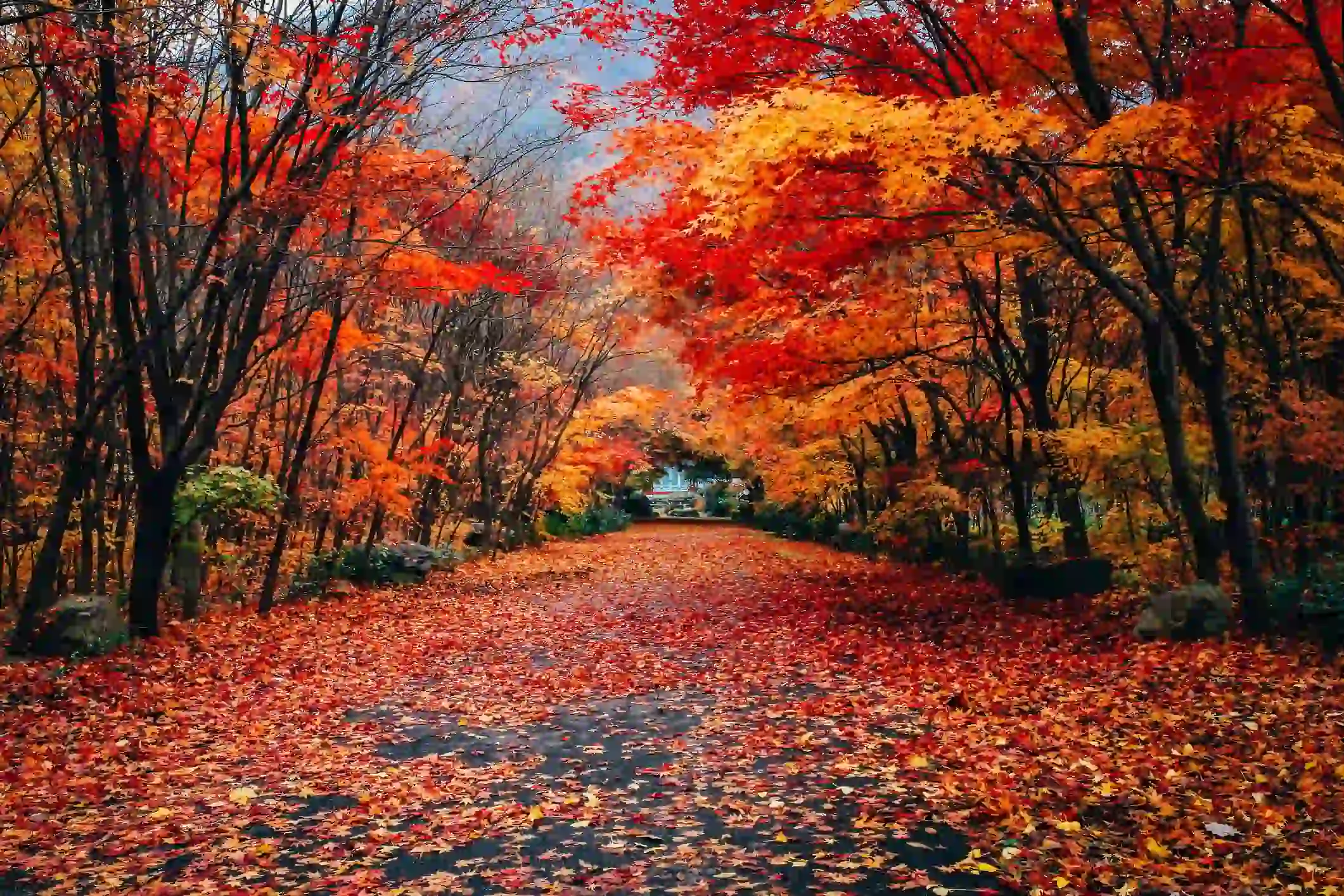
Timing Your Trip for Peak Colors
When is the ideal time to witness the stunning transformation of autumn leaves? Timing is vital for experiencing peak fall foliage, as colors vary by location and weather conditions. Visitors should consider the following factors to maximize their experience:
- Geographic Region: Different areas reach peak colors at varying times, typically from late September to mid-November.
- Weather Patterns: A combination of cool nights and sunny days enhances vibrant colors; thus, monitoring local forecasts is essential.
- Elevation: Higher elevations tend to showcase foliage earlier than lower regions due to cooler temperatures.
Understanding these factors not only enriches the trip but also fosters a deeper appreciation for what causes fall foliage. Planning accordingly allows travelers to fully immerse themselves in this seasonal spectacle.
Best Practices for Experiencing Fall Foliage
To fully appreciate the breathtaking display of fall foliage, travelers should adopt effective practices that enhance their experience. First, researching local peak times is essential, as variations in climate can considerably affect color changes. Utilizing online resources, such as dedicated foliage tracking websites, allows for informed planning. Additionally, selecting ideal viewing locations—such as parks, mountains, or scenic byways—can elevate one’s experience. Engaging in guided tours often provides expert insights into what causes fall foliage, enriching the journey. Finally, embracing the natural surroundings by disconnecting from technology fosters a deeper connection with the environment. By following these best practices, travelers can cultivate a more meaningful and memorable experience amidst the stunning colors of autumn.
Frequently Asked Questions
Can I Predict Fall Foliage Colors Years in Advance?
Predicting fall foliage colors years in advance remains challenging due to varying environmental factors such as climate, soil conditions, and tree species. While trends can be observed, exact predictions are often unreliable and imprecise.
Do Urban Areas Have Different Foliage Compared to Rural Areas?
Urban areas often display different foliage compared to rural regions due to factors like pollution, heat islands, and limited tree diversity. These elements can influence not only color intensity but also the timing of fall foliage.
How Does Pollution Impact Fall Leaf Colors?
Pollution can dull fall leaf colors by interfering with the photosynthesis process, reducing chlorophyll production. Additionally, airborne pollutants may alter the chemical composition of leaves, leading to less vibrant hues during autumn’s transformation.
Are There Specific Trees That Don’t Change Color in Autumn?
Some trees, like evergreens, retain their green color throughout autumn due to their needle-like leaves and different chlorophyll retention strategies. This adaptation allows them to thrive despite seasonal changes that affect other deciduous species.
What Are the Best Locations for Fall Photography?
The best locations for fall photography include New England’s scenic landscapes, the Appalachian Mountains, and national parks like Yellowstone and Acadia. These areas showcase vibrant colors, providing stunning backdrops for capturing autumn’s beauty.
Conclusion
To summarize, the interplay of chlorophyll cessation, weather conditions, and tree species dynamics fundamentally shapes the vibrant tapestry of fall foliage. By understanding these scientific principles, travelers can optimize their autumn experiences. Timing visits to coincide with peak color displays enhances appreciation of nature’s artistry. As enthusiasts plan their excursions, awareness of local conditions and tree varieties will certainly enrich their encounters with the breathtaking transformations of autumn leaves.
You May Also Like To Read: