Understanding the duration of peak foliage is essential for anyone planning a fall trip. This fleeting period of vibrant colors offers a unique connection to nature’s transformation. Knowing when to go not only enhances the experience but also allows travelers to appreciate local celebrations tied to the season. As climates shift and landscapes vary, the timing can be unpredictable. How does one navigate these uncertainties to guarantee an unforgettable autumn adventure?
Key Takeaways
- Knowing the duration of peak foliage helps in planning your trip for the most vibrant displays.
- It allows for flexibility in travel dates to accommodate weather fluctuations that may affect foliage timing.
- Understanding the length of peak foliage enhances the overall travel experience by maximizing exposure to stunning landscapes.
- It aids in avoiding disappointment from arriving after the foliage has passed its peak.
- Awareness of peak foliage duration can foster better community engagement among fellow foliage enthusiasts during your visit.
What Exactly Is Peak Foliage?
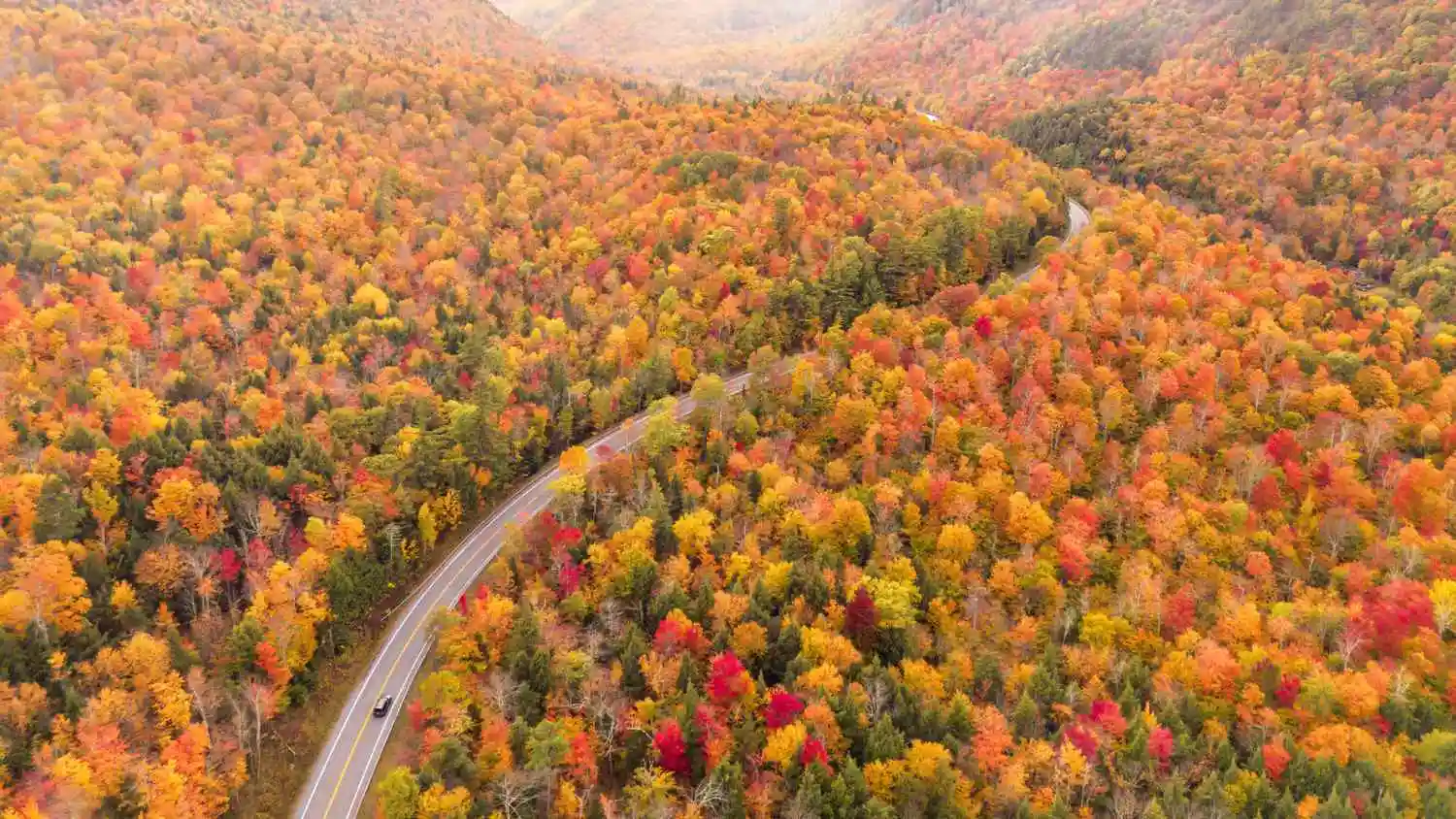
Peak foliage refers to the stunning transformation of deciduous trees as they prepare for winter, showcasing a vibrant palette of colors ranging from fiery reds to golden yellows. This enchanting display occurs when chlorophyll breaks down, revealing the pigments that give leaves their brilliant hues. During this time, nature invites everyone to experience the beauty of change and the warmth of community gatherings. Families and friends often set out on journeys to witness this seasonal spectacle, creating cherished memories amidst the breathtaking scenery. Understanding the dynamics of peak foliage can enhance these experiences, as it informs travelers about when to expect the most vivid displays. Ultimately, knowing how long peak foliage lasts helps individuals plan their adventures and foster connections with nature and each other.
How Long Peak Foliage Lasts?
When is the best time to witness the breathtaking spectacle of autumn colors? Understanding how long peak foliage lasts is essential for anyone keen to embrace the vibrant transformation of nature. Typically, peak foliage can last anywhere from one to two weeks, depending on various factors such as climate and geographical location. During this brief window, trees burst into brilliant hues of red, orange, and yellow, creating a picturesque backdrop that captivates the heart. However, fluctuations in weather can either extend or shorten this vibrant display. As a result, knowing how long peak foliage lasts enables enthusiasts to plan their trips effectively, ensuring they experience the full glory of this seasonal wonder and strengthen their connection to the beauty of the natural world.
When Is Peak Foliage Season?
Determining the ideal time to witness the vibrant splendor of autumn foliage can enhance any travel experience. Typically, peak foliage season unfolds between late September and mid-October, varying by location and climate conditions. In northern regions, such as New England, the leaves often reach their zenith earlier, while southern areas may showcase their colors later in the month. Travelers enthusiastic to immerse themselves in this breathtaking display should consider local weather patterns and elevation, as these factors influence the timing. By planning their trips around these peak periods, visitors can fully appreciate the stunning transformation of landscapes, creating unforgettable memories that foster a deep connection to nature’s artistry. Understanding when peak foliage season occurs allows for a more enriching autumn adventure.
Top Locations for Peak Foliage Viewing
Where can one find the most breathtaking displays of autumn foliage? The vibrant landscapes of New England, particularly Vermont and Massachusetts, offer a kaleidoscope of color as trees shift to fiery reds and golds. The Blue Ridge Parkway in North Carolina showcases stunning mountain vistas, where each viewpoint reveals a patchwork of foliage. Acadia National Park in Maine invites visitors to explore coastal trails amidst a backdrop of brilliant hues. Additionally, the Great Smoky Mountains provide an expansive canvas of diverse trees, ensuring a spectacular show of color. Each of these locations not only enriches the experience of nature but also fosters a sense of community among those keen to witness how long peak foliage lasts during this magical season.
Tips for Capturing Peak Foliage Beauty
Capturing the breathtaking beauty of peak foliage requires both planning and technique. Timing is essential; knowing how long peak foliage lasts allows photographers to choose the best dates for their adventure. Early mornings or late afternoons provide soft, golden light, enhancing the vibrant colors of leaves. Utilizing a tripod guarantees stability, while varied angles reveal unique perspectives of nature’s palette. Incorporating foreground elements, such as rocks or water, creates depth in images. Additionally, exploring lesser-known trails can uncover hidden gems away from crowds. Finally, patience is key; waiting for the perfect moment—a gentle breeze or a sunbeam breaking through the trees—can transform an ordinary shot into a masterpiece. These tips foster a deeper connection with the natural world.
Frequently Asked Questions
How Does Weather Affect Peak Foliage Timing?
Weather greatly influences peak foliage timing, determining leaf coloration and duration. Factors like temperature, sunlight, and rainfall create ideal conditions for vibrant hues, affecting when nature’s display reaches its breathtaking peak for admirers.
Can Peak Foliage Vary by Elevation?
Yes, peak foliage can vary by elevation. Higher elevations often experience earlier color changes due to cooler temperatures, while lower areas may retain vibrant hues longer, creating a stunning tapestry of autumn across diverse landscapes.
What Activities Complement Peak Foliage Viewing?
Nature walks, photography excursions, and cozy picnics enhance peak foliage viewing. Engaging in these activities fosters connection with loved ones, allowing for shared experiences amidst vibrant colors, creating lasting memories during this breathtaking seasonal transformation.
Are There Specific Trees That Change First?
Certain trees, like maples and sweetgum, often showcase vibrant colors first, signaling the onset of autumn. Their early transformation captivates observers, inviting them to embrace the seasonal shift and its accompanying beauty.
How Can I Track Peak Foliage Updates?
To track peak foliage updates, one can monitor regional forecasts, follow dedicated foliage websites, and engage with social media groups. These resources provide timely insights, ensuring enthusiasts can plan their visits to witness nature’s vibrant transformations.
Conclusion
To sum up, understanding the duration of peak foliage enhances the fall travel experience, allowing adventurers to immerse themselves in nature’s vibrant spectacle. By timing visits strategically, travelers can witness the breathtaking transformation of leaves while connecting with local traditions. This knowledge not only enriches the journey but also fosters a deeper appreciation for the beauty of the season. Embracing the fleeting nature of peak foliage ultimately transforms a simple trip into a memorable celebration of autumn’s splendor.
You May Also Like To Read: